Discover Authentic Moroccan Natural Henna: Pure, Traditional and Without Additives
In a world where many beauty products contain synthetic ingredients and unnecessary chemicals, more people are returning to traditional beauty rituals and natural alternatives.
One of these timeless traditions is Moroccan henna.
For generations, henna has been an important part of Moroccan culture, beauty and self-care. Traditionally used to decorate the hands and feet, colour the hair and celebrate special occasions, henna remains a treasured natural beauty ingredient.
Our Moroccan henna is carefully blended in Morocco, celebrating this beautiful heritage. Made without added additives, it offers a simple and traditional approach to natural henna beauty.
If you are looking for pure Moroccan henna without unnecessary ingredients, discover why this traditional powder deserves a place in your beauty routine.
What Is Moroccan Henna?
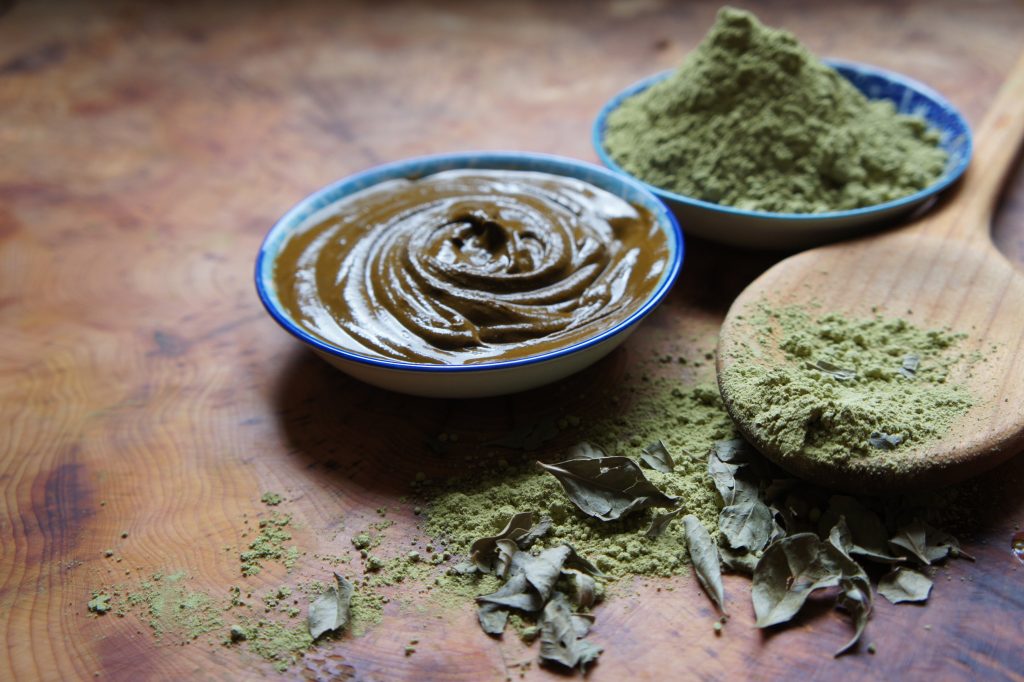
Moroccan henna is a traditional natural powder made from the dried and finely ground leaves of the henna plant, scientifically known as Lawsonia inermis.
The plant grows in warm climates and has been used for centuries across North Africa, the Middle East and South Asia.
In Morocco, henna has a particularly special place in traditional beauty rituals and cultural celebrations.
The leaves are harvested, dried and ground into a fine powder that can be mixed with liquid to create a paste.
When applied to the skin, natural henna produces a characteristic reddish-orange to brownish stain. When used on hair, it can provide warm copper, auburn and reddish tones, depending on the original hair colour and application.
Our henna is blended in Morocco, bringing traditional Moroccan craftsmanship and heritage into your beauty routine.
Why Choose Natural Moroccan Henna Without Additives?
Not all henna products are the same.
Some products marketed as henna contain additional ingredients, artificial colours, fragrances or other substances.
If you prefer a simpler beauty routine, choosing henna without added additives can be an important consideration.
Here is what makes our Moroccan henna special:
1. Traditionally Blended in Morocco
Our henna is blended in Morocco, where henna has been part of traditional beauty practices for generations.
It celebrates the heritage and knowledge behind Moroccan beauty rituals.
2. No Added Additives
Our henna contains no added additives, offering a simple ingredient composition without unnecessary additions.
We believe that traditional beauty products should stay close to their origins.
3. A Traditional Plant-Based Beauty Ingredient
Pure henna comes from the leaves of the Lawsonia inermis plant.
It is a plant-based ingredient that has been used for centuries in traditional beauty practices.
4. A Versatile Beauty Product
Henna can be used for different traditional beauty applications, including natural hair colouring and decorative body art.
It is a wonderful choice for people interested in traditional plant-based beauty rituals.
The Benefits of Pure Natural Henna
Pure henna has remained popular for generations because of its versatility and distinctive colouring properties.
Here are some reasons people choose natural henna.
Natural-Looking Hair Colour
One of the best-known uses of henna is natural hair colouring.
Pure henna deposits a warm colour on the hair, often creating copper, reddish or auburn tones.
The final result depends on your original hair colour, hair condition, application time and the type of henna used.
Unlike conventional permanent hair dyes, pure henna does not work by bleaching or chemically lifting the natural hair colour.
Instead, its natural pigment, lawsone, binds to the hair.
Adds Shine and a Glossy Appearance
Many people enjoy using pure henna as part of their hair-care routine because their hair can feel coated and appear shinier after application.
Results vary depending on hair type and individual hair condition.
Traditional Hand and Foot Decoration
Henna has a long history of use in Moroccan celebrations, weddings and special occasions.
The powder can be mixed into a paste and used to create beautiful decorative patterns on the hands and feet.
Traditional Moroccan henna designs are admired for their detailed patterns and cultural significance.
A Plant-Based Alternative to Synthetic Colouring
For people interested in plant-based beauty products, pure henna offers a different approach to hair colouring.
It provides distinctive warm tones without relying on synthetic oxidative hair dyes.
However, natural does not automatically mean allergy-free. Always perform a patch test before use.
How to Use Moroccan Natural Henna for Hair
Using pure Moroccan henna can be a wonderful addition to a traditional hair-care routine.
Follow these steps for a simple application.
Step 1: Prepare Your Henna
Place the desired amount of henna powder into a clean bowl.
Step 2: Add Liquid
Gradually add warm water and mix until you achieve a smooth, thick paste without lumps.
Avoid using excessively hot water.
Step 3: Allow the Mixture to Rest
Allow the mixture to rest according to the henna’s instructions and the desired colour release.
Step 4: Apply to Your Hair
Wear protective gloves and apply the paste evenly to clean hair, working from the roots towards the lengths.
Step 5: Allow It to Develop
Cover your hair and leave the henna on according to the recommended application time.
Step 6: Rinse Thoroughly
Rinse your hair thoroughly with water until all the henna has been removed.
Your final colour may continue to develop over the following 48 hours.
Important: Pure henna produces warm red, copper and auburn tones. It will not naturally lighten dark hair or create blonde shades. Always check the ingredient list and perform a strand test before applying it to your entire head.
How to Prepare Moroccan Henna for Traditional Hand Decoration
Henna is also famous for its beautiful decorative designs.
To prepare a simple henna paste:
- Place the henna powder in a clean bowl.
- Gradually add a suitable liquid to create a smooth paste.
- Mix thoroughly until the consistency is suitable for application.
- Allow the paste to develop according to the product instructions.
- Transfer it into a suitable henna cone or applicator.
Traditional henna is used to create intricate designs on the hands and feet.
For body art, use only pure henna with verified ingredients. Never use so-called black henna containing PPD (para-phenylenediamine), which can cause serious skin reactions.
What Is the Difference Between Pure Henna and Black Henna?
This is an important question when choosing a natural henna product.
Pure natural henna
- Made from the leaves of the Lawsonia inermis plant.
- Naturally produces reddish-orange to brownish stains.
- Suitable for traditional henna applications.
- Does not naturally produce a jet-black stain.
Black henna
- May contain synthetic colourants such as PPD.
- Can cause serious allergic reactions and skin damage.
- Is not the same as pure natural henna.
Always choose henna with a clear and transparent ingredient list.
Our Moroccan henna is offered without added additives, staying true to the traditional simplicity of pure henna.
Why Moroccan Henna Is Special
Morocco has a rich history of traditional beauty ingredients and self-care rituals.
From argan oil and Moroccan black soap to rhassoul clay and henna, Moroccan beauty traditions are known around the world.
Henna is particularly meaningful because it is connected to family traditions, celebrations, weddings and everyday beauty rituals.
Choosing Moroccan henna is a way to appreciate this heritage and bring a piece of traditional Moroccan beauty into your home.
How to Store Your Natural Henna Powder
Proper storage helps maintain the quality of your henna powder.
Follow these recommendations:
- Keep the powder in an airtight container.
- Store it in a cool, dry place.
- Protect it from direct sunlight.
- Keep moisture away from the powder.
- Always close the packaging after use.
For the best results, follow the storage instructions and best-before date provided with your product.
Frequently Asked Questions About Moroccan Natural Henna
Is Moroccan henna 100% natural?
Pure henna is made from the dried and ground leaves of the Lawsonia inermis plant. Our Moroccan henna is blended without added additives. Always refer to the product ingredient declaration for full details.
Does Moroccan henna contain chemicals?
Pure henna contains naturally occurring plant compounds, including lawsone, which provides its colouring properties. Our henna has no added chemical colourants or unnecessary additives.
Can I use natural henna on my hair?
Yes. Pure henna is traditionally used for hair colouring and can create warm copper, reddish and auburn tones.
Does henna cover grey hair?
Henna can deposit colour on grey hair, often producing a brighter copper or reddish result. The final appearance depends on the percentage of grey hair, application method and natural hair colour.
Does natural henna make hair black?
No. Pure henna naturally produces reddish and copper tones. It does not produce a natural jet-black colour.
Is Moroccan henna suitable for sensitive skin?
Natural henna can still cause allergic reactions in some people. Always perform a patch test and follow the product instructions. Do not apply to irritated or damaged skin.
Where is your henna blended?
Our henna is blended in Morocco, celebrating traditional Moroccan beauty heritage.
Does your Moroccan henna contain additives?
Our product is blended without added additives. Please check the full product ingredient declaration for confirmation of its composition.
Bring the Beauty of Morocco Into Your Home
Natural beauty does not have to be complicated.
Our Moroccan henna celebrates a traditional beauty ingredient that has been cherished for generations.
Blended in Morocco and offered without added additives, it is a wonderful choice for people who appreciate traditional plant-based beauty products.
Whether you want to explore natural hair colouring, create beautiful henna designs or discover authentic Moroccan beauty rituals, our Moroccan henna brings tradition and simplicity together.
Discover our Moroccan natural henna and experience the beauty of a timeless Moroccan tradition.